Frequently Asked Questions (FAQ)


Immediate thermal gains: Roof surface temperature is reduced by up to 50%, resulting in an average decrease of 5 to 6°C in indoor temperature during the summer. This performance significantly improves the thermal comfort of occupants.

Energy savings: The significant reduction in thermal load lowers air conditioning needs, generating substantial savings on energy bills throughout the year.

Protection and durability: The coating effectively protects structures against UV radiation, infrared radiation, and thermal shock, thus extending their lifespan and reducing maintenance costs.

Positive environmental impact: Beyond individual benefits, these solutions contribute to reducing urban heat islands and the overall carbon footprint of buildings.

Return on investment: The combination of energy savings and structural protection ensures a fast and sustainable return on investment, making thermo-reflective coating an economical and ecological solution.

Winter context: During the cold season, the low solar angle and reduced light intensity significantly alter heat gains. Heat gains then come primarily from glazed surfaces rather than roofs and facades.

Seasonal performance: Under these conditions, the application of thermo-reflective coatings to opaque surfaces (roofs and facades) only marginally influences the building's heating requirements.

Winter assessment: The effectiveness of reflective paints therefore remains limited during the heating season, their impact on winter energy consumption being more marginal than in summer.

This seasonal characteristic confirms that thermo-reflective coatings are particularly well-suited to addressing summer overheating and reducing air conditioning costs, their main benefit being concentrated during the warmer months of the year.
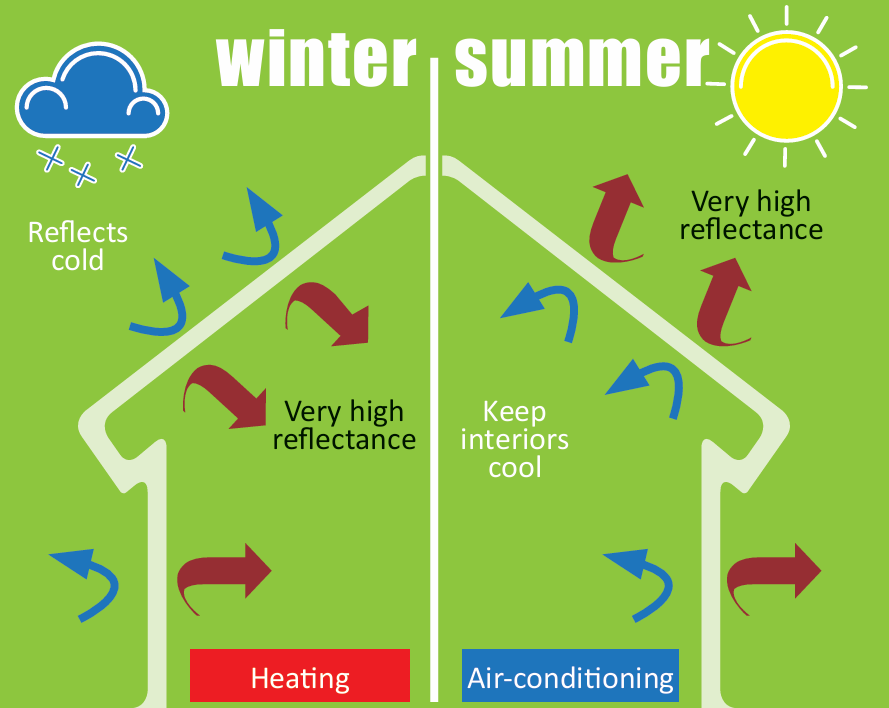
ThermaCote_été-hiver

Complete compatibility: Not only does the presence of solar panels not preclude the application of thermo-reflective solutions, but these two technologies are perfectly complementary and mutually reinforcing.

Technical application: We can effectively install the coating between photovoltaic panels, provided they have a minimum spacing. Each project undergoes a specific feasibility study to adapt our application method to the constraints of the existing installation.

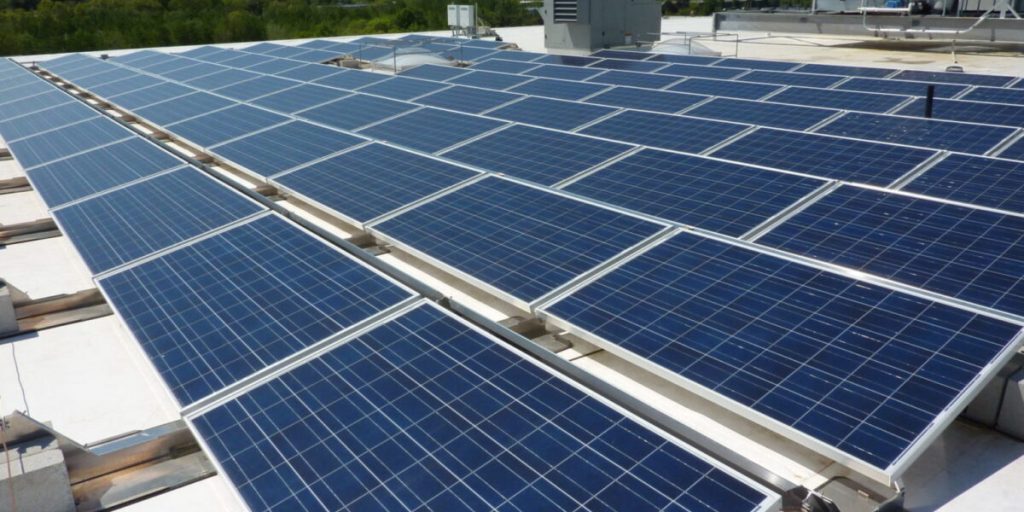
Performance synergy: The thermo-reflective coating generates a dual benefit for photovoltaic installations. By reducing the roof surface temperature, it helps maintain the panels in optimal thermal conditions, directly boosting their energy efficiency. The coating's albedo effect amplifies this synergy by reflecting some of the solar radiation back onto the photovoltaic panels, creating additional light that further optimizes their electricity production. This dual action—cooling and light reflection—maximizes the overall efficiency of the solar installation by approximately 10%, and up to more than 20% for bifacial panels.

Scientific documentation: This complementarity is documented by numerous scientific studies, which we make available to you to explore the technical aspects of this synergy in greater depth.

Conclusion: Far from being incompatible, thermoreflective and photovoltaic solutions form a winning combination to maximize the overall energy efficiency of your roof.
solar-cool-roofing-france-1024x768
Image15

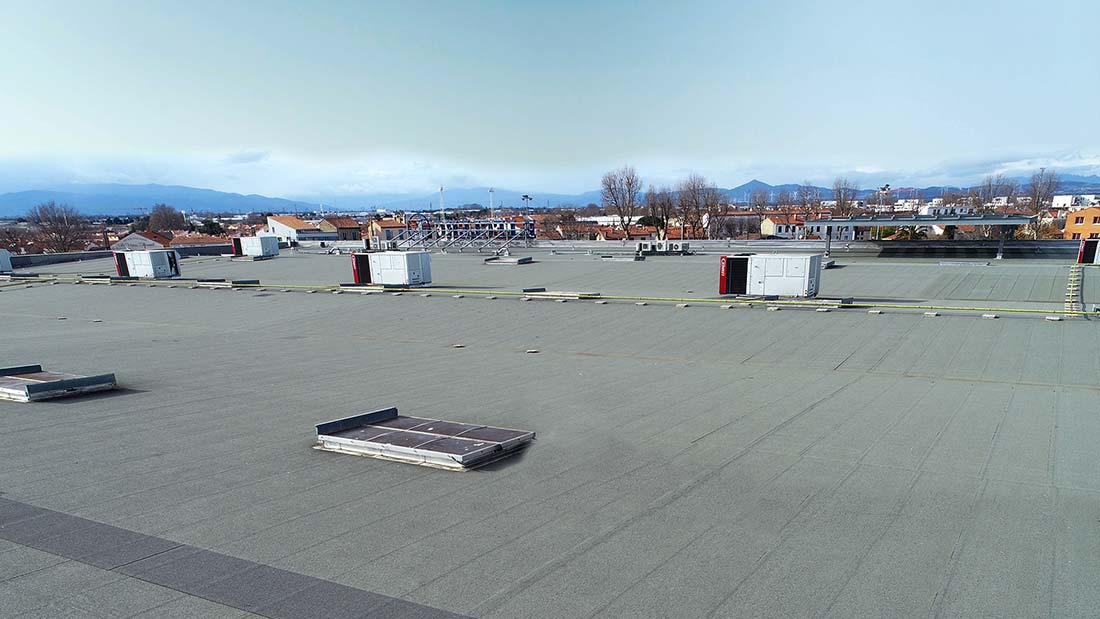
Universal application: Our thermo-reflective coatings are compatible with all types of existing roofs, offering a versatile solution for all projects.

Compatible substrates: The range fully covers roofing materials:

  • Synthetic membranes (EPDM, PVC)
  • Bitumen coatings and waterproofing membranes
  • Metals (steel decking, zinc, aluminum)
  • Traditional materials (tiles, slate)
  • Concrete and mineral substrates
  • Fiber cement, including asbestos-containing cement (specialized application)

Adhesion technology: Our specially formulated primer system guarantees optimal adhesion to every type of substrate, ensuring the durability and effectiveness of the treatment.

Technical validation: Each project benefits from a personalized preliminary study to validate technical feasibility and adapt the application method to the specific characteristics of the existing substrate.

Specialized expertise: Our teams have the necessary certifications to work on all types of materials, including the most technical ones such as asbestos cement.

before
Solarcaot-avant

after

Solarcoat-apres

Simplified Maintenance: Our thermal reflective coatings are designed to require minimal maintenance, thus preserving their performance over time without excessive strain.

Preventive Maintenance: An annual visual inspection is all that is needed to maintain the coating's optimal efficiency. This inspection allows us to identify any areas requiring special attention.

Minor Interventions: When necessary, maintenance is limited to simple actions: sweeping debris, removing dead leaves, and applying occasional anti-moss treatment. These operations preserve the coating's reflective properties.

Support Service: To guarantee your complete peace of mind, we systematically offer an annual maintenance contract after each service. This turnkey service ensures professional monitoring of your installation.

Enhancing Durability: This minimal maintenance allows us to maintain the coating's thermal and aesthetic performance over the long term, thus optimizing your return on investment.

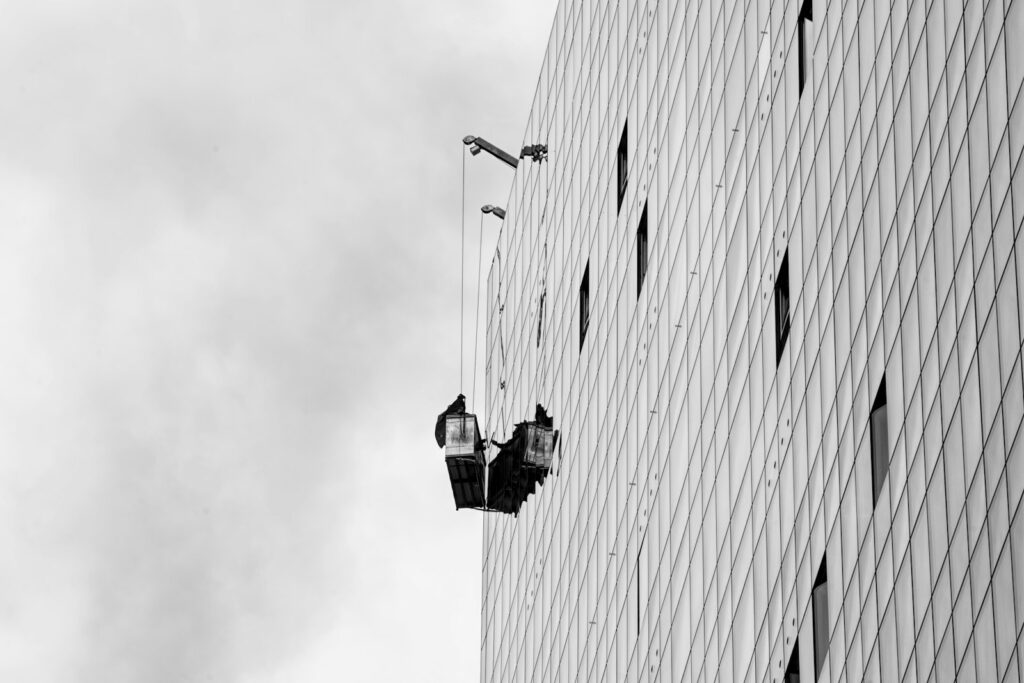
A black and white photo of a man hanging from a building

Price range: The application cost generally varies between CHF 60 and CHF 160 per m²; this variation is due to several technical and logistical factors. Application costs on glass are at the higher end of this range.

Pricing criteria: The final price depends on the nature of the existing surface, site accessibility, the level of preparation required, and the total area to be treated. Large-scale projects generally benefit from a sliding scale discount.

Personalized assessment: Because every project is unique, we always provide a detailed and personalized quote after a technical site visit. This approach guarantees accurate and transparent pricing, tailored to the specific requirements of your installation.

Profitable investment: This price range is based on a logic of rapid return on investment thanks to the energy savings generated and the durable protection of your roof, your facade or your glazing.

hausse des prix de l'énergie_CHF

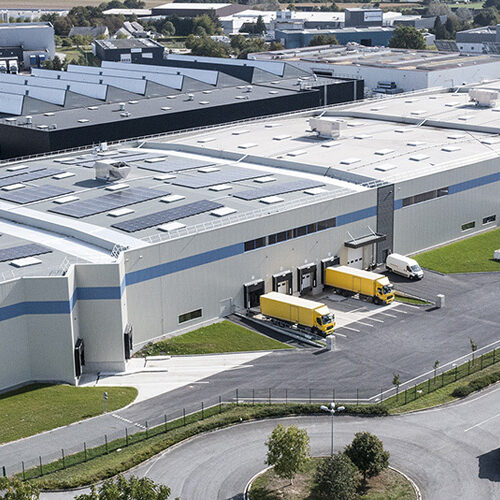
Industrial and logistics sector: Warehouses, factories, distribution centers, hangars, and logistics platforms are ideal candidates thanks to their large exposed roof areas. These buildings particularly benefit from air conditioning savings and improved comfort for staff.

Commercial sector: Supermarkets, shopping centers, DIY stores, car dealerships and retail parks benefit from reduced energy costs and improved customer comfort, while enhancing their environmental approach.

Tertiary sector: Offices, business centers, administrative buildings and headquarters optimize their energy performance and strengthen their CSR image thanks to this sustainable solution.

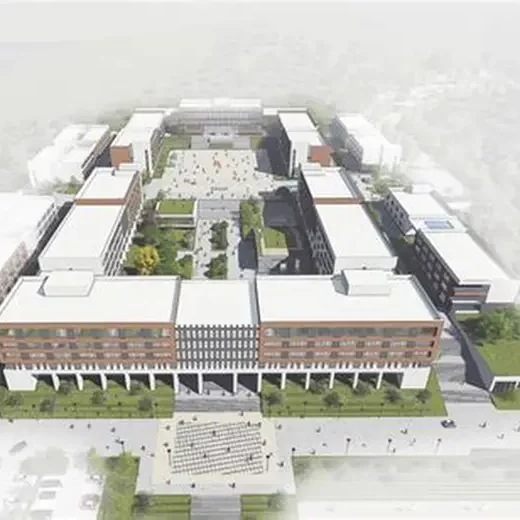
Public facilities: Gymnasiums, sports centers, schools, hospitals and municipal buildings significantly improve user comfort while reducing their operating costs.

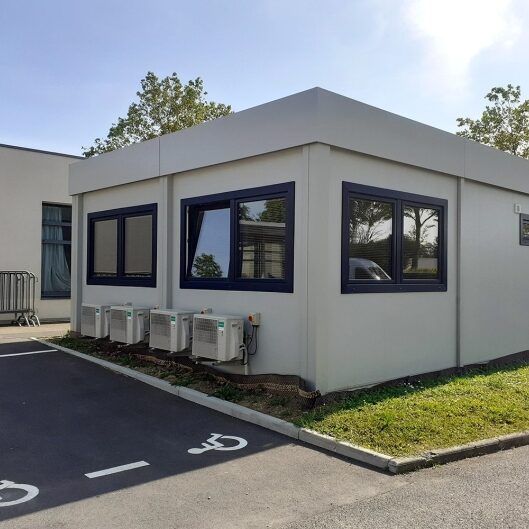
Mobile and modular buildings: A particularly promising sector including site cabins, modular schools, temporary offices, field hospitals, tiny houses, and converted shipping containers. These structures, often lacking optimal insulation, offer exceptional comfort and a drastic reduction in air conditioning needs, which is especially crucial in confined spaces.

Eligibility criteria: ll buildings with flat or gently sloping roofs exposed to the sun can benefit from this technology, regardless of their size or sector of activity. The larger the treated surface area, the greater the effectiveness.

Logistique pharma
KOOLTHERM_2023-roubaix-chr-kooltherm-2500m-21-e1699959643830
bâtiment scolaire#3
Bâtiment modulaire#5

Duration varies depending on the project: The intervention time is adapted to the surface area to be treated, the complexity of the substrate, and the level of preparation required. Each project is unique and requires customized planning.

Time reference: On average, it takes between 3 and 5 working days to treat a building of 1000 to 1500 m². This range includes the preparation, application and finishing phases.

Specifics of modular buildings: For mobile and modular structures (site cabins, containers, tiny houses), intervention is generally faster thanks to their reduced surface area and optimized accessibility, often allowing completion in 1 to 2 days.

Advance planning: A detailed intervention schedule is systematically provided in advance, allowing for smooth organization of your activity and coordination with your other service providers.

Operational optimization: Our working method minimizes business interruptions, which is particularly important for industrial and commercial sites in continuous operation.

analog clock